The Last Mark before Light
A deadline can be a change in what a traveler can see, especially in a forest that was dark when a promise began. The early scene for this concept treated the approach of dawn as a number at the top of the screen. It made it possible to know how much time remained, though the clearing itself offered very little to inspect. We gave the trail one marker where morning light could touch bare stone. The exchange then had a place that the traveler could visit before deciding what they still had time to do.
Draw the marker from the edge of the offer
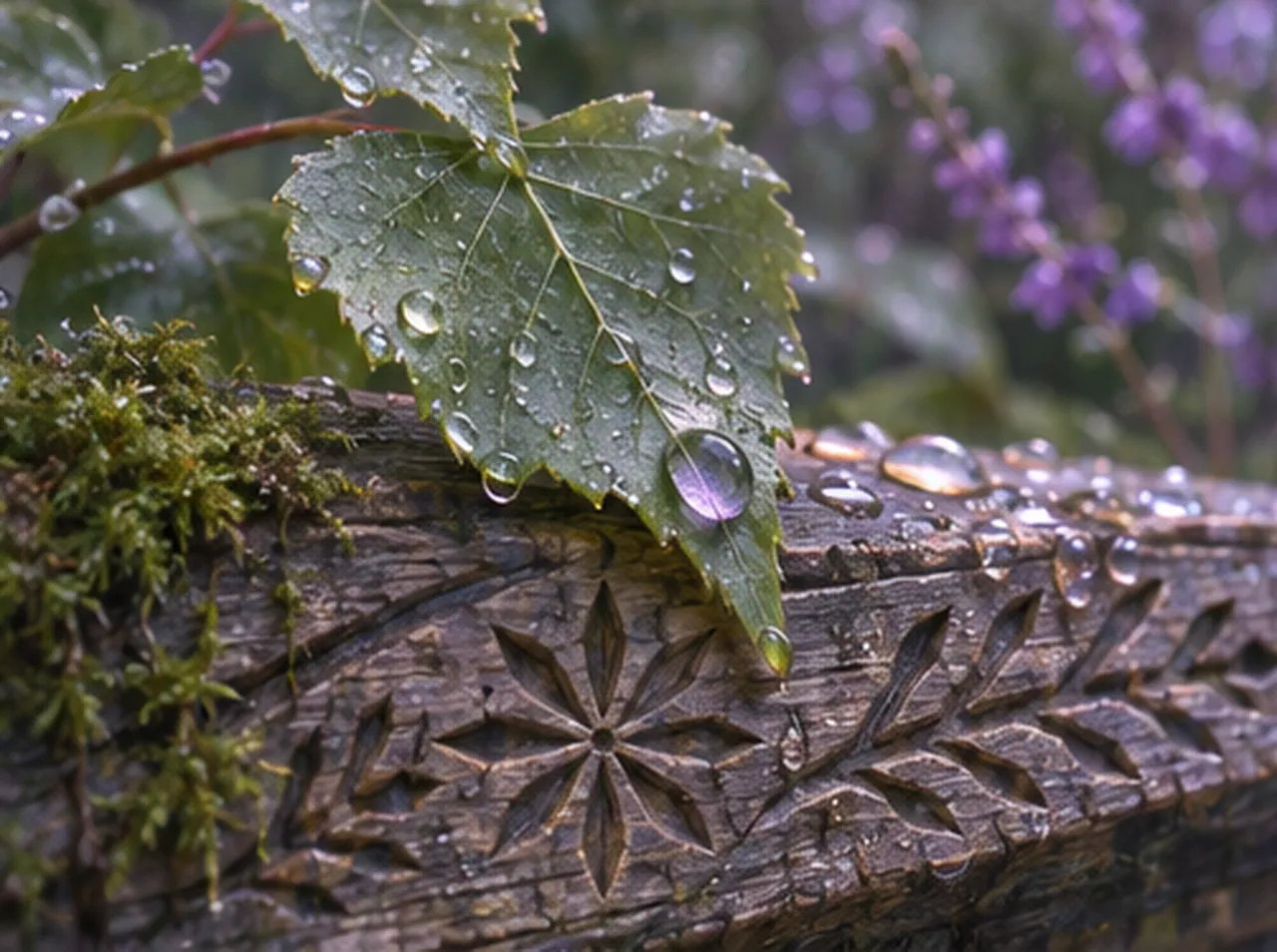
The dry reed goes on a little board facing two trunks. In the space between the trunks the top of one stone sticks into a wide patch of sky. Show the flat edge of the stone from the exchange board. It will give someone a reason to recognize it from the lower route while the rest of the clearing is hidden. The spirit can say that the path is open until daylight reaches the bare edge. A line in a journal can preserve the same reference if the player wants to review the agreement later.
Make the last available view repeatable
Below the stone, one stretch of wet bank shows an angled gap in the roots. Standing there lets the traveler compare its top to the first light without climbing back to the exchange. The next stretch leads into an alternative brook path. The dry marker has a small flat cap shared between the two views. Its rough side and a thin strip of sky help a player decide which mark has started to change. Before the Dawn Bargain uses that more useful view at the point when waiting in the low path has an ordinary cost.
Let the crossing change in two readable stages
At the first sign of light the lower route stays open. A little purple reflection on a nearby trunk might worry a traveler, but the bare cap can stay gray for another movement. When the direct light reaches it the entrance softens and the nearby roots begin to appear unbroken. This gives an attentive player time to react or check the place they intend to use. If somebody arrives with a question about what daylight means in the bargain, a view of the cap can answer without asking them to recover an entire spoken sentence.
Keep a second exit honest
A brook path can share the area around the stones without belonging to the promise. Its direction comes from moving water and a bank somebody could follow during the brighter morning. Follow The Fork behind the Birch for a closer test of that branch. A hidden old sign behind the trunk should not be needed to learn that the brook route exists. During a return, the high stone can close off only the path the bargain opened. The brook is still a useful way to move if the agreement has run its course.
Ask somebody to name the moment, then the route
At the end of a trial, ask where the traveler would stand to decide whether the low path was available. If they can locate the marker and say what light they are watching for, the time condition belongs to the forest. The test also reveals whether the alternative path was clear enough to feel chosen. Count the Waystones at Dawn describes what can be learned after the time condition has already passed. The last mark helps with that read as well, because it can stay as a piece of the original place while the route around it changes. The clearing keeps a short record of the terms without freezing its whole world in the same state.